

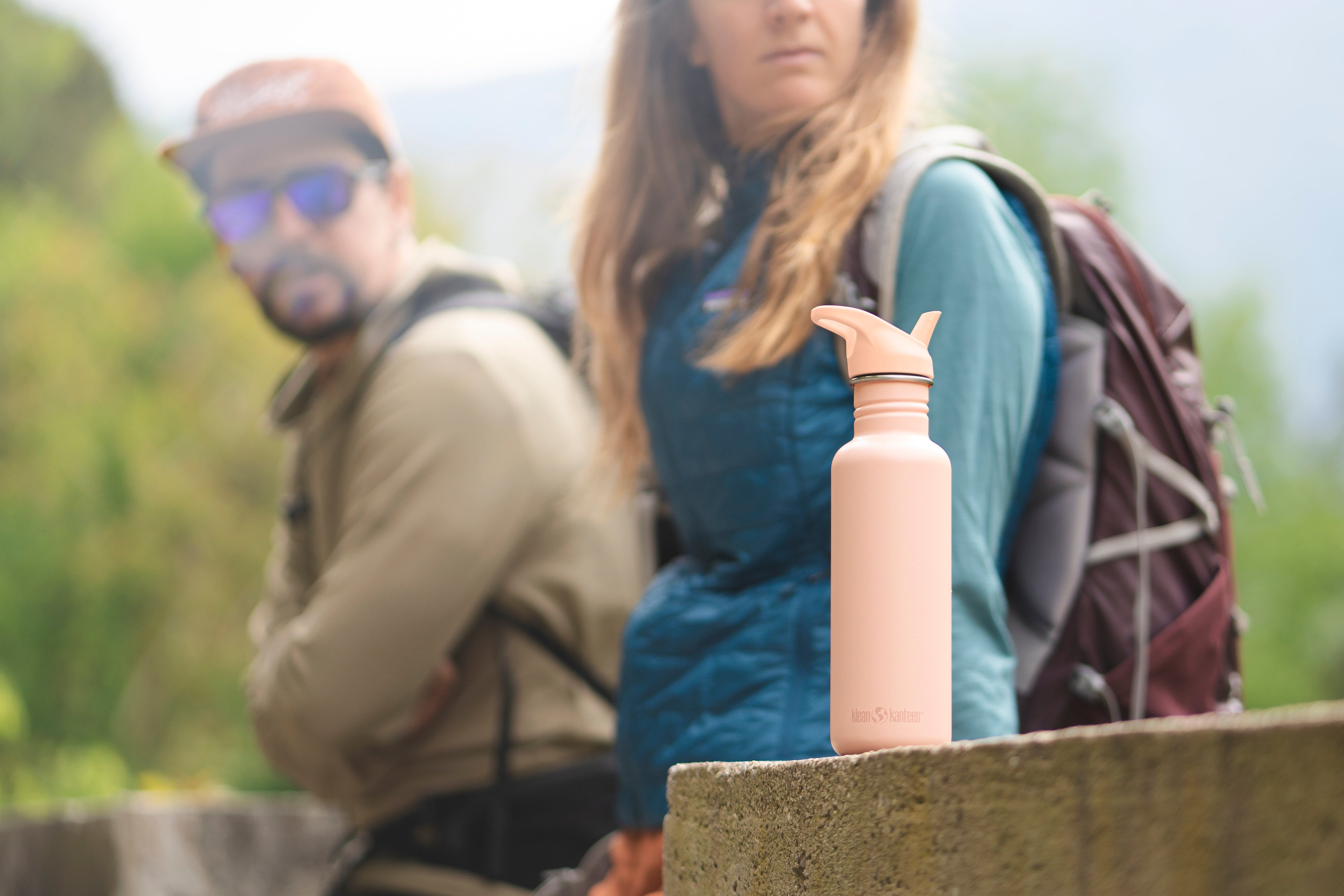
Hydration is one of the simplest pillars of wellbeing. So why are most of us drinking from containers that might be working against us?
It's easy to overlook a water bottle. It sits on your desk, rolls around the back seat of your car, gets tossed in and out of gym bags without a second thought. Of all the wellness decisions you make in a day, which bottle you drink from probably isn't one you've spent much time on.
But here's the thing: you drink from it every single day. Multiple times a day. For years. And a growing body of research suggests that what your bottle is made from might actually matter.
The Microplastics Conversation
The conversation around microplastics has moved from environmental concern to personal health concern, and quickly. In January 2024, a landmark study published in the Proceedings of the National Academy of Sciences (PNAS) found that a single litre of bottled water contained an average of 240,000 detectable plastic fragments, a number roughly 100 times higher than previous estimates.
These aren't visible pieces of plastic. They're nanoplastics, particles so small they can cross biological barriers and enter the bloodstream. Research is still in its early stages, but early findings published in Environmental Science & Technologyhave detected microplastics in human blood, lungs, and placental tissue, raising questions about long-term exposure that scientists are only beginning to answer.
Reusable plastic bottles aren't exempt from this. Studies have shown that reusable plastic containers release microplastics over time, particularly when exposed to heat, sunlight, UV light, or repeated washing. The lining of your car on a sunny day, the dishwasher, even warm tap water can accelerate the breakdown of plastic materials and increase the number of particles leaching into your drink.
This isn't about alarmism. It's about making an informed choice when a simple, durable alternative exists.
Why Stainless Steel Is The Better Material
Stainless steel doesn't leach. It doesn't degrade with heat or UV exposure. It doesn't absorb flavours or harbour bacteria the way plastic and even some aluminium bottles can. Food-grade 18/8 stainless steel, the type used in quality water bottles, is inherently non-reactive, meaning what goes in is what comes out.
It's also vastly more durable. A well-made stainless steel bottle can last decades. It won't crack, won't discolour, won't develop the micro-scratches that harbour bacteria in plastic bottles. It can be dropped, dented, thrown in a backpack, and still function exactly as it did on day one.
And then there's the environmental piece. The British Plastics Federation estimates that the UK uses approximately 7.7 billion single-use plastic bottles per year. Even reusable plastic bottles eventually wear out and end up in landfill, where they can take up to 450 years to decompose. Stainless steel is endlessly recyclable, and because the bottle itself lasts so long, the practical need to recycle it rarely arises.
Klean Kanteen: 20 Years Of Getting It Right
This is why we stock Klean Kanteen at Nalu. Founded in 2004, Klean Kanteen was one of the very first companies to offer stainless steel alternatives to plastic bottles, long before the reusable bottle market became the crowded space it is today. Twenty years later, they're still considered the benchmark.
Every Klean Kanteen bottle is made from 18/8 food-grade stainless steel with an electropolished interior that resists bacteria and makes cleaning effortless. There's no plastic lining, no BPA, no chemical coatings touching your drink. They offer stainless steel and bamboo cap options for people who want to eliminate plastic contact entirely.
Their insulated range uses Climate Lock vacuum insulation that keeps drinks cold for up to 90 hours or hot for up to 30 hours. That's not a typo. Ice stays frozen for nearly four days. For anyone who's ever pulled a lukewarm bottle out of a bag on a hot day, that's a meaningful upgrade.
What sets Klean Kanteen apart from the wave of copycat brands that followed is the combination of material quality, engineering, and values. They're a certified B Corporation, a member of 1% for the Planet, and their manufacturing practices prioritise both human and environmental health. Their Klean Coat powder finish is formulated to be safe for people and planet, free from the lead and PFAS found in some competitors' coatings.
And every bottle comes with their "Strong as Steel" lifetime guarantee. If it doesn't perform, they'll repair, replace, or refund it.
Hydration As A Wellness Foundation
Beyond the bottle itself, hydration deserves more respect as a pillar of daily wellbeing. The NHS recommends drinking six to eight glasses of fluid per day, and research consistently links even mild dehydration to reduced cognitive function, impaired physical performance, headaches, and fatigue.
For active people, the stakes are higher. A loss of just 2% of body weight through sweat can reduce endurance performance by up to 25%, according to research published in the Journal of Athletic Training. Staying on top of hydration isn't just about comfort. It directly affects how well you move, recover, and feel.
Having a bottle you actually enjoy drinking from matters more than it might seem. The friction between you and hydration should be as low as possible. A bottle that keeps your water genuinely cold, doesn't impart a plastic taste, feels solid in your hand, and lasts forever removes one more small barrier between you and a habit that has outsized impact on how you feel every day.
A Small Change With A Long Reach
Switching from plastic to stainless steel is one of those rare decisions that benefits your health, your daily experience, and the environment simultaneously. It's not dramatic. It's not expensive. It's a simple, permanent upgrade to something you use every single day.
At Nalu, we believe the small, consistent choices are the ones that compound into real change. A better insole. A recovery-focused body wash. A water bottle that doesn't leach chemicals into your drink. None of these are revolutionary on their own. Together, they represent a more intentional approach to daily wellbeing.
That's the Thrive foundation in practice.
Explore the full Klean Kanteen range or browse our Thrive collection for more daily wellbeing essentials.

Share:
Not All Mānuka Honey Is Created Equal. Here's How To Tell The Difference
Brand Spotlight: Badger Balm. Organic Skincare Born From A Carpenter's Cracked Hands